
Newsletter Subscribe
Enter your email address below and subscribe to our newsletter

Enter your email address below and subscribe to our newsletter
Think Big - Act Bold
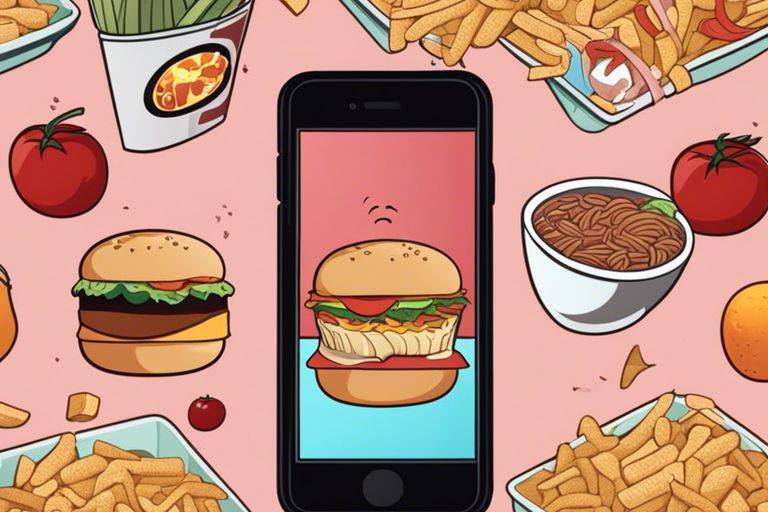
Just like you, I love indulging in convenient processed foods. However, a recent study has linked ultra-processed foods to serious gut health risks. According to research, these foods can harm your gut microbiome, leading to digestive issues and chronic inflammation. It’s time we rethink our food choices for the sake of our gut health and overall well-being.
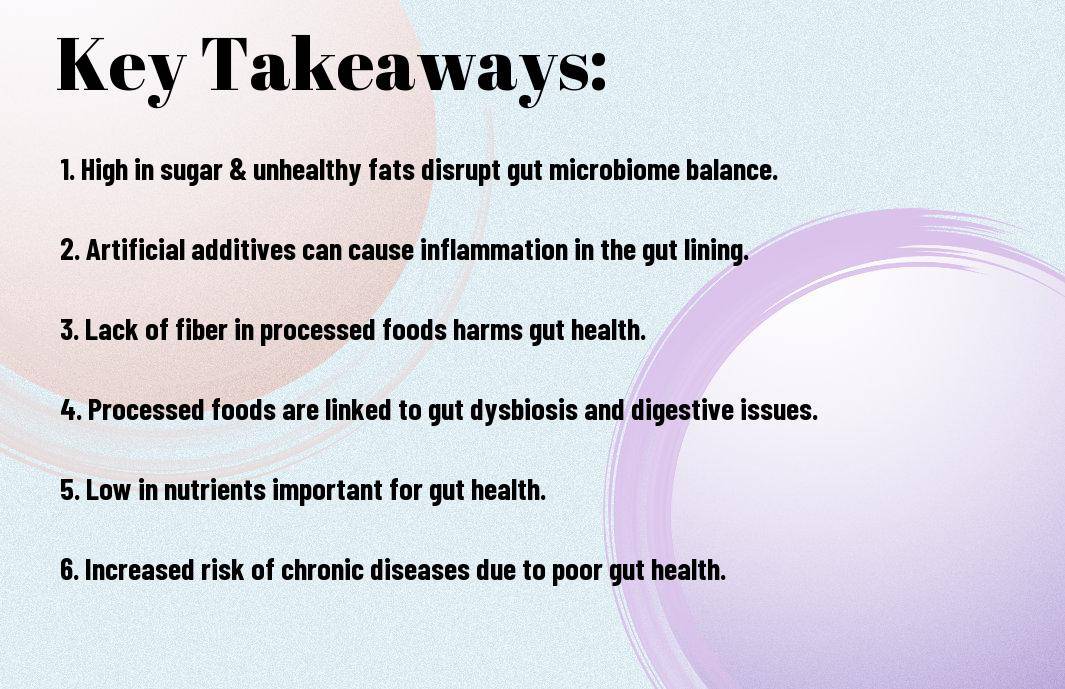

An unhealthy diet full of processed foods can wreak havoc on your gut health. Processed foods are typically low in fiber and high in sugars and unhealthy fats, which can disrupt the balance of good bacteria in your gut, leading to inflammation and digestive issues. This imbalance in gut bacteria, also known as dysbiosis, can weaken your immune system and make you more susceptible to various health problems.
Any food you consume has a direct impact on your brain and mood. Processed foods high in additives, preservatives, and artificial ingredients can trigger inflammation in the body, including the brain. This inflammation can lead to foggy thinking, decreased mental clarity, and even mood swings.
Mood swings, anxiety, and even depression can be linked to the foods you eat. When your gut is out of balance due to a diet high in processed foods, it can send signals to the brain that disrupt its normal function. This interference can manifest as poor mood regulation and even more severe mental health issues over time.
While the industrial revolution brought about positive advancements in technology and efficiency, it also marked the beginning of the rise of processed foods. These foods, laden with preservatives, artificial colors, and flavor enhancers, have slowly but surely made their way into our diets, replacing whole, natural foods.
Processed foods gained popularity in the mid-20th century as a result of advancements in food manufacturing and packaging. These developments allowed for longer shelf lives and easier distribution, making processed foods more convenient for consumers.
Processed foods offer a fast and easy solution for our busy lifestyles. With busy schedules and limited time for meal preparation, it’s no wonder we often opt for the convenience of processed foods. However, this convenience comes at a cost to our health.
Keep in mind that processed foods can lead to chronic inflammation in the body, which is linked to a multitude of serious health conditions such as heart disease, diabetes, and even cancer. Chronic inflammation can wreak havoc on your overall well-being, so it’s crucial to be mindful of what you’re putting into your body.
Consequences The gut microbiome plays a crucial role in maintaining your health, influencing everything from your immune system to your mood. An imbalance in the gut microbiome can lead to various health issues, so it’s necessary to nurture the good bacteria in your gut through a healthy diet.
Disease To maintain a healthy gut microbiome, focus on incorporating plenty of fiber-rich fruits and vegetables, as well as fermented foods like yogurt and kimchi into your diet. These foods help promote the growth of beneficial bacteria in your gut, keeping your microbiome in balance.
Growing Leaky gut syndrome is a condition where the lining of the intestines becomes permeable, allowing toxins and undigested food particles to leak into the bloodstream. This can trigger chronic inflammation throughout the body, leading to a host of health issues. It’s important to address leaky gut syndrome by avoiding processed foods and incorporating gut-healing foods into your diet.
To understand why processed foods can be so addictive, we must look at their key ingredients – sugar, salt, and fat. These substances are often combined in processed foods in just the right ratios to trigger pleasure centers in the brain, leading to cravings and overconsumption.
Loops
It’s no coincidence that many processed foods are designed to create a dopamine response in the brain. Dopamine is a neurotransmitter associated with pleasure and reward, and when we consume foods high in sugar, salt, and fat, our brain releases dopamine, reinforcing the desire to eat more.
An
Trinity
Now, let’s talk about fiber-rich foods, which are the gut’s best friend. Fiber acts as fuel for the good bacteria in your gut, promoting a healthy microbiome. It helps regulate digestion, prevent constipation, and supports overall gut health. By incorporating more fruits, vegetables, whole grains, nuts, and seeds into your diet, you can nourish your gut and improve your digestive system.
Friend, polyphenol-rich foods are antioxidant powerhouses that can benefit your gut health. These compounds have anti-inflammatory and antioxidant properties that can help reduce inflammation in the gut and protect against oxidative stress. Foods like berries, dark chocolate, and green tea are rich sources of polyphenols that can support a healthy gut microbiome.
For instance, cranberries are packed with proanthocyanidins, a type of polyphenol that has been found to inhibit the growth of harmful gut bacteria like E. coli, promoting a healthier balance of microbes in your intestines.
One crucial component of a gut-healing diet is omega-3 rich foods. These anti-inflammatory heroes can help reduce inflammation in the gut lining, alleviate symptoms of inflammatory bowel diseases, and support overall gut health. Incorporating sources of omega-3 fatty acids like fatty fish, flaxseeds, chia seeds, and walnuts into your meals can promote a healthier gut environment.
Despite their convenience, processed foods can wreak havoc on our gut health. Making the decision to break up with these detrimental items is a crucial step toward improving our overall well-being.
With a few simple steps, transitioning away from processed foods can be a successful and straightforward process. Start by gradually replacing processed items with whole foods to ease the shift.
Strategies for efficient meal planning and prep can make a world of difference in sticking to a whole foods diet. By batch-cooking staples like whole grains and vegetables, you can save time and ensure nutritious meals throughout the week. Knowing what you’ll eat in advance can also help avoid falling back on processed options.
Smoothly navigating social occasions and overcoming emotional eating can be challenging when trying to eliminate processed foods from your diet. However, with mindful awareness and preparation, you can stay on track and prioritize your gut health even in these situations.
It’s vital to remember that your health is worth the effort, and making conscious choices to support your gut can have profound effects on your overall well-being. By steering clear of processed foods in social settings and managing emotional triggers with healthier alternatives, you’re showing yourself the care and respect your body deserves.
To wrap up, it’s clear that processed foods can have a negative impact on your gut health. By choosing whole, unprocessed foods, you can support a healthy gut microbiome and overall well-being. If you want to learn more about how ultra-processed foods affect your gut, you can read this informative article How Ultra-Processed Foods Affect Your Gut.
A: Processed foods are foods that have been altered in some way during preparation. This can include adding sugar, salt, or preservatives, as well as removing nutrients through processes like refining grains.
A: Processed foods can harm gut health by disrupting the balance of good and bad bacteria in the gut, leading to inflammation, decreased immunity, and digestive issues.
A: Some common processed foods to avoid for gut health include sugary snacks, processed meats, white bread, and sugary beverages.
A: Processed foods can impact our overall well-being by contributing to weight gain, chronic diseases, and mental health issues due to their lack of crucial nutrients and high levels of unhealthy additives.
A: To promote a healthier gut, focus on consuming whole foods like fruits, vegetables, whole grains, lean proteins, and probiotic-rich foods such as yogurt and kefir.
A: Yes, you can improve gut health after consuming processed foods by gradually transitioning to a balanced diet of whole foods, staying hydrated, incorporating probiotics, and reducing stress levels.
A: It varies from person to person, but generally, improvements in gut health can be observed within a few weeks to a few months after reducing processed foods and adopting a healthier diet and lifestyle.