
Newsletter Subscribe
Enter your email address below and subscribe to our newsletter

Enter your email address below and subscribe to our newsletter
Think Big - Act Bold

There’s a powerful connection between gut health and overall well-being. As a pro nutritionist, I’ll share expert tips on how to maintain a healthy gut based on my experience. To learn more about the role of a gut health nutritionist, check out my blog post on What Does a Gut Health Nutritionist Do?.

To truly understand the importance of gut health, one must recognize that the gut is often referred to as the “second brain” of the body. Your gut is home to trillions of bacteria that play a crucial role in digestion, nutrient absorption, and even mood regulation. Maintaining a healthy gut can have a significant impact on your overall well-being and quality of life.
For me, as a nutritionist, it is fascinating to see how intricately connected the gut and the brain are. The gut-brain axis refers to the biochemical signaling that takes place between the gastrointestinal tract and the central nervous system. This connection highlights how our gut health can influence our mental health, mood, and even cognitive function.
For me, it’s clear that gut health extends far beyond just digestion. **Maintaining a healthy gut** can positively impact your immune system, inflammation levels, skin health, and even weight management. On the other hand, **an unhealthy gut** can lead to a host of issues such as bloating, food sensitivities, fatigue, and even mental health disorders.
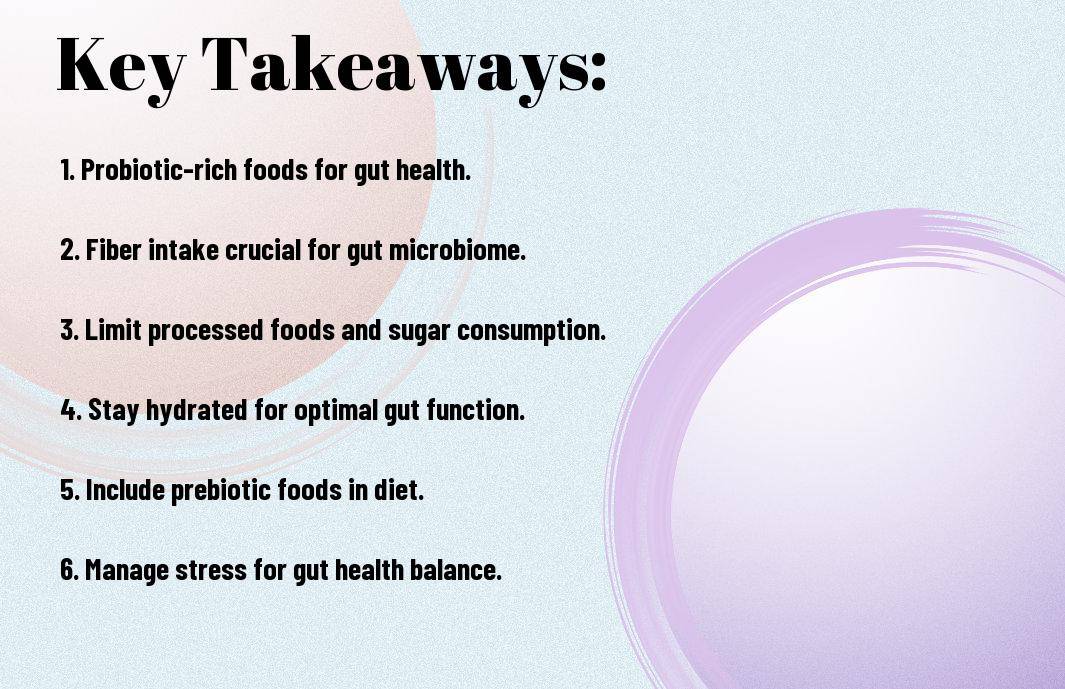
Now, an crucial component of my gut-healthy diet includes incorporating fermented foods. These delights are packed with probiotics that promote the growth of beneficial bacteria in your gut. Options like yogurt, kefir, kimchi, sauerkraut, and miso can help maintain a healthy balance of gut flora.
An important aspect of maintaining gut health is being mindful of the foods that may trigger inflammation. Foods high in refined sugars, artificial sweeteners, trans fats, and processed foods can potentially disrupt the delicate balance of your gut microbiome, leading to inflammation and digestive issues.
The gut lining can become compromised due to these inflammatory culprits, allowing toxins and harmful substances to enter the bloodstream, triggering various health issues. By reducing your intake of these gut-inflammatory foods, you can support a healthier gut and overall well-being.
Happy to share that hydration plays a crucial role in gut health. Staying well-hydrated supports the digestive process by aiding in the smooth movement of food through the digestive tract. Water helps maintain the mucosal lining of the intestines, allowing for proper absorption of nutrients and the elimination of waste.
Frequent consumption of caffeinated and sugary beverages can dehydrate the body, potentially leading to constipation and a sluggish digestive system. Opt for hydrating options like water, herbal teas, and infused water to keep your gut happy and functioning optimally.

After reading more about How Nutrition Can Support Gut Health and the Immune System, I realized the importance of incorporating supplements into my routine to maintain optimal gut health. Here are some key supplements to consider:
Bacteria: Probiotics are live bacteria and yeasts that are good for your digestive system. They help maintain the balance of good bacteria in your gut, which is crucial for optimal digestive health. Incorporating probiotics into your daily routine can help support a healthy gut microbiome.
Health: Prebiotics are a type of fiber that acts as food for the good bacteria in your gut. They help stimulate the growth of beneficial bacteria, promoting a healthy gut environment. Including prebiotic-rich foods in your diet such as bananas, onions, and garlic can help support overall gut health.
Food sources rich in prebiotics include asparagus, leeks, onions, garlic, bananas, and seaweed. By incorporating these foods into your diet regularly, you can help feed the good bacteria in your gut, promoting a healthy balance of microorganisms.
Prebiotics: Omega-3 fatty acids are known for their anti-inflammatory properties, which can help reduce inflammation in the gut. By incorporating omega-3 rich foods like fatty fish, flaxseeds, and walnuts into your diet or taking a high-quality fish oil supplement, you can help support a healthy gut and reduce the risk of gut inflammation.
Supplements play a crucial role in supporting gut health, but it’s important to choose high-quality options and consult with a healthcare provider or nutritionist before adding them to your routine. Note, a healthy gut is the foundation of overall wellness, so taking care of it is key to feeling your best.

Many may not realize the significant impact stress can have on gut health. Healthy stress management techniques like deep breathing, mindfulness, yoga, or simply taking time to relax can help maintain a balanced gut flora and reduce inflammation.
Changes in our physical activity can directly impact our gut health. Regular exercise can improve the communication between the gut and the brain, promoting a healthier gut microbiome. Even moderate exercise like walking or cycling can make a significant difference.
Any lack of sleep can disrupt the balance of gut bacteria and contribute to gut issues. Making sure you get enough sleep each night is crucial for allowing the gut to repair and replenish its bacteria. Establishing a bedtime routine and creating a comfortable sleep environment can help improve your gut health.
Unlike many people realize, using antibiotics unnecessarily can be detrimental to your gut health. Forcing the body to rely on antibiotics frequently can disrupt the delicate balance of good and bad bacteria in your gut, leading to issues like dysbiosis and compromised immune function.
One common mistake I often see is ignoring gut symptoms like bloating, gas, or irregular bowel movements. These signs are your body’s way of communicating that something is off balance in your gut. Ignoring these symptoms can lead to further complications down the road.
Ignoring Gut Symptoms can worsen the underlying gut health issues, leading to more severe conditions like leaky gut, irritable bowel syndrome, or even inflammatory bowel disease. It is crucial to pay attention to these signals your body is sending you and address them promptly to maintain optimal gut health.
Your body is incredibly intelligent and gives you signals when something is amiss. Not listening to these signals, such as cravings, bloating, or fatigue, can lead to ignoring important cues your gut health is giving you. Taking the time to tune in and respond to what your body is telling you can make a world of difference in your gut health.
The key lies in listening to your body and being in tune with its signals. Your body communicates its needs through symptoms and cravings, and ignoring these messages can lead to a disconnect between you and your gut health.
Your busy schedule may not always allow for sit-down meals, but that doesn’t mean you have to sacrifice your gut health. To support your digestive system on-the-go, opt for fiber-rich fruits like apples and bananas, or nuts and seeds like almonds and chia seeds. These snacks provide crucial nutrients and promote good gut health, even when you’re running from one task to the next.
Compromising your gut health while eating out is a common concern, but with some strategic choices, you can maintain a healthy digestive system. When dining out, focus on choosing grilled or steamed options over fried foods, and including a source of fiber like vegetables or whole grains. These choices can help support your gut microbiota and keep your digestive system in balance.
When eating out, try to avoid heavy sauces and dressings, which can be high in unhealthy fats and preservatives that may disrupt your gut flora. Opt for simple dishes prepared with fresh ingredients to promote a healthy gut environment.
When you’re on the move, it can be challenging to maintain your gut health, but with some mindful choices, you can support your digestion even while traveling. Stay hydrated, pack healthy snacks like nuts and seeds, and prioritize eating whole foods like fruits and vegetables to nourish your gut bacteria and keep your digestive system running smoothly.
Maintaining good gut health while traveling is crucial to prevent digestive issues and discomfort during your trips. By following these simple tips, you can support your gut microbiome and ensure a smooth travel experience.
Upon reflecting on my own practices as a nutritionist, I have found that maintaining gut health is important for overall well-being. By incorporating a balanced diet rich in fiber, prebiotics, and probiotics, you can support a healthy gut microbiome. For more personalized guidance on improving your gut health, consider consulting with a Gut Health Dietitian Nutritionist. To learn more about what a Gut Health Dietitian Nutritionist does, visit What is a Gut Health Dietitian Nutritionist?
A: Gut health is important because it plays a vital role in our overall health and well-being. A healthy gut helps in proper digestion, absorption of nutrients, immune function, and even mental health.
A: Some signs of an unhealthy gut include bloating, gas, diarrhea, constipation, frequent infections, fatigue, and food intolerances.
A: A nutritionist can provide a personalized diet plan that includes foods rich in probiotics, prebiotics, fiber, and antioxidants to promote a healthy gut microbiome.
A: Foods such as yogurt, kefir, sauerkraut, kimchi, bananas, garlic, onions, asparagus, whole grains, and fruits and vegetables are beneficial for gut health.
A: Yes, stress can negatively impact gut health by disrupting the balance of gut bacteria, increasing inflammation, and contributing to gastrointestinal issues.
A: Hydration is crucial for gut health as it helps in maintaining the mucosal lining of the intestines, promoting regular bowel movements, and aiding in the digestion and absorption of nutrients.
A: Probiotic supplements, prebiotic supplements, digestive enzymes, and fiber supplements are some examples of supplements that can support gut health when taken under the guidance of a healthcare professional.