
Newsletter Subscribe
Enter your email address below and subscribe to our newsletter

Enter your email address below and subscribe to our newsletter
Think Big - Act Bold

Gut Health is crucial for overall well-being. In just 30 days, you can transform your digestive system by making simple yet powerful changes to your diet and lifestyle. By incorporating a variety of 30 different plants per week, you can enhance your gut microbiome and improve your immune system. Follow these steps, and you’ll notice a difference in your energy levels, mood, and overall health in no time.

Even though you may not be aware of it, your gut is home to trillions of bacteria that play a crucial role in your overall health. These bacteria help with digestion, nutrient absorption, and even support your immune system. Maintaining a healthy balance of gut bacteria is vital for your well-being.
Understanding the common signs of an unhealthy gut is vital for recognizing when your digestive system needs support. Symptoms like bloating, gas, constipation, diarrhea, and frequent stomach upset can indicate an imbalance in your gut flora. Additionally, skin irritation, fatigue, and even mood swings can be linked to poor gut health.
Importance of ignoring gut health can have serious consequences for your overall health. If you neglect your gut, you may experience chronic digestive issues, weakened immunity, inflammation, and nutrient deficiencies. Over time, these problems can lead to more severe conditions like irritable bowel syndrome, autoimmune diseases, and mental health disorders.

There’s no quick fix when it comes to improving your gut health. It’s important to set realistic expectations and understand that significant changes take time. While you may start to feel better within the 30 days, long-lasting gut health improvements are a journey that requires consistency and dedication.
Expectations for a gut-friendly environment include reducing stress levels through practices like yoga or meditation, getting regular exercise, and creating a balanced diet rich in fiber and fermented foods. These changes can support the growth of beneficial gut bacteria and improve overall digestive health.
Any of these lifestyle changes can contribute to a healthier gut environment and improve your overall well-being.
Tips for success on this 30-day journey include keeping a food journal to track your diet, setting reminders for taking probiotics or supplements, and finding support through online communities or with a healthcare provider. These resources can help you stay on track and make the most of your gut health challenge.
Understanding and utilizing these vital tools can enhance your gut health journey and set you up for success in cultivating a healthier digestive system.
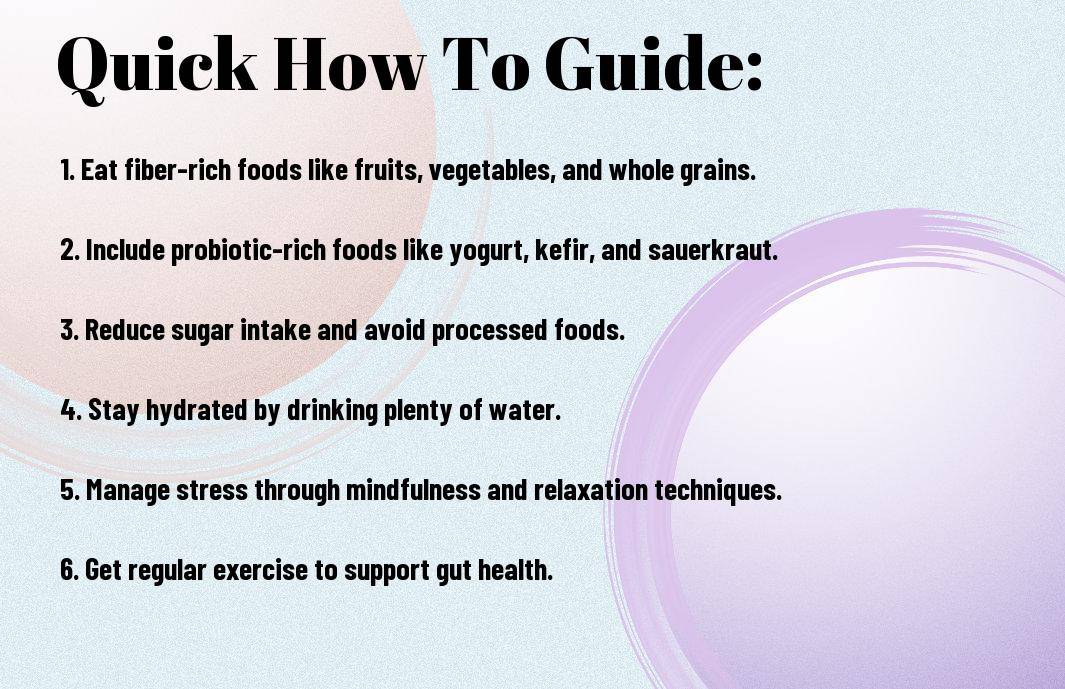
Not all foods are created equal when it comes to promoting a healthy gut. Incorporating fiber-rich foods, probiotics, and prebiotics into your diet is key for maintaining a balanced gut microbiome. These components help nourish the beneficial bacteria in your gut and promote good digestion.
To cultivate a healthy gut, make sure to include a variety of fiber-rich foods like fruits, vegetables, whole grains, and legumes in your daily meals. Additionally, incorporating probiotic-rich foods such as yogurt, kefir, sauerkraut, and kombucha can help support a diverse gut microbiota.
One key factor in maintaining gut health is to limit your intake of processed foods, sugary beverages, artificial sweeteners, and saturated fats. These foods can negatively impact your gut bacteria and lead to digestive issues.
Foods high in added sugars and artificial additives can disrupt the balance of your gut microbiome, leading to imbalances and potential inflammation in the gut lining. Avoiding these foods can help maintain a healthy gut environment and support overall well-being.
Little adjustments in your meal planning can make a big difference in supporting a healthy gut. Focus on incorporating a variety of whole foods, lean proteins, healthy fats, and colorful fruits and vegetables in your meals to promote optimal gut health.
The timing of your meals can also impact your gut health. Aim for regular meal times and avoid heavy meals right before bed to give your digestive system a break and promote better gut function.

Many lifestyle factors can influence the health of your gut. Proper nutrition, regular exercise, adequate sleep, and effective stress management all play a role in maintaining a healthy gut microbiome. Knowing how these factors impact your gut health can help you make positive changes to support your overall well-being.
Impact: Stress can have a significant impact on your gut health as it can disrupt the balance of bacteria in your digestive system, leading to issues such as inflammation and digestive discomfort. Managing stress is crucial for promoting a healthy gut microbiome.
For: Sleep and exercise are crucial for maintaining a diverse and healthy gut microbiota. Getting an adequate amount of sleep and engaging in regular physical activity can help promote the growth of beneficial bacteria in your gut, contributing to improved digestion and overall health.
The quality and duration of your sleep, as well as the intensity and consistency of your exercise routine, can all impact the composition of your gut microbiome. Strive to prioritize both sleep and exercise in your daily routine to support a healthy gut.
If: If left unchecked, chronic stress can have detrimental effects on your gut health. Implementing stress management techniques such as meditation, yoga, or deep breathing exercises can help reduce stress levels and promote relaxation, benefiting both your mental well-being and gut health.
Managing stress is crucial for maintaining a healthy gut microbiome. By incorporating relaxation practices into your daily routine, you can create a more balanced and harmonious environment for your gut bacteria to thrive.
Despite my efforts to eat a balanced diet, I realized that sometimes my gut needed extra support. That’s where probiotics came in. Probiotics are live bacteria and yeasts that are good for your digestive system. They help maintain the natural balance of organisms in your intestines and can provide numerous health benefits.
While browsing through various probiotic supplements, I was overwhelmed by the options available. It’s important to choose a probiotic supplement that contains strains known to benefit digestive health, such as Lactobacillus and Bifidobacterium. Look for supplements with a high CFU (colony-forming units) count for maximum effectiveness.
Another option to consider is a spore-based probiotic, like Bacillus coagulans, which has a protective outer shell that allows it to survive harsh stomach acids and reach the gut intact. This type of probiotic may be more resilient and effective in supporting gut health.
Choosing the right supplements to support gut health can be beneficial in addition to probiotics. Support your digestive system with supplements like digestive enzymes, which can help break down food more effectively and ease bloating and discomfort. Including fiber supplements, such as psyllium husk or inulin, can also promote healthy digestion and regular bowel movements.
Your gut health journey may come with some challenges along the way. Here are some tips to help you navigate and overcome these obstacles:
Knowing how to tackle these challenges will help you on your journey to better gut health. For a quick reset, you can also check out How to Reset Your Gut in 3 Days.
Little changes in your diet and lifestyle, like adding probiotic-rich foods and staying hydrated, can help ease digestive discomfort.
There’s no denying that cravings can derail your efforts to improve gut health. Stay on track by incorporating healthy swaps and planning ahead for meals and snacks.
Motivation plays a key role in sustaining a healthy gut. To stay on course, reflect on your progress, reassess your goals, and reach out for support when needed.
Upon reflecting on the 30-day journey to a healthier gut, I hope you’ve gained valuable insights and tools to cultivate a thriving gut ecosystem. Be mindful of, incorporating probiotic-rich foods, fiber, and fermented foods can support your gut health. Be mindful of stress management and prioritizing sleep, as they also play a crucial role in gut function. Small, consistent changes can lead to significant improvements in your overall well-being. Here’s to your continued journey to a healthier gut!
A: A healthy gut can boost your immune system, improve digestion, increase energy levels, and even support mental health.
A: You can start by incorporating more fiber-rich foods, probiotics, and prebiotics into your diet, and reducing stress levels.
A: Foods like yogurt, kefir, sauerkraut, kimchi, and whole grains are great for promoting a healthy gut.
A: Yes, regular exercise can help improve gut health by promoting a diverse microbiome and reducing inflammation.
A: Staying hydrated is crucial for gut health as it helps maintain the mucosal lining of the intestines and supports digestion.
A: Probiotic supplements can help introduce beneficial bacteria to your gut, and fiber supplements can support a healthy microbiome.
A: Symptoms of an unhealthy gut include bloating, gas, diarrhea, constipation, food intolerances, and frequent infections.