
Newsletter Subscribe
Enter your email address below and subscribe to our newsletter

Enter your email address below and subscribe to our newsletter
Think Big - Act Bold
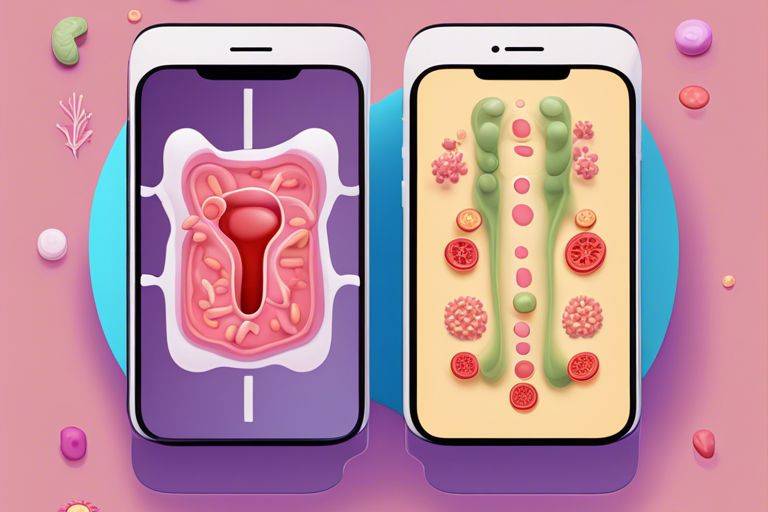
It’s fascinating how antibiotics have revolutionized medicine, but do you know their impact on your gut health? Let me take you on a journey through the intricate world of our microbiome and how these medications can disrupt the delicate balance within. Understanding the consequences of antibiotic use is crucial for maintaining your overall health and well-being. So, let’s dive in and explore what you need to know about this crucial topic.
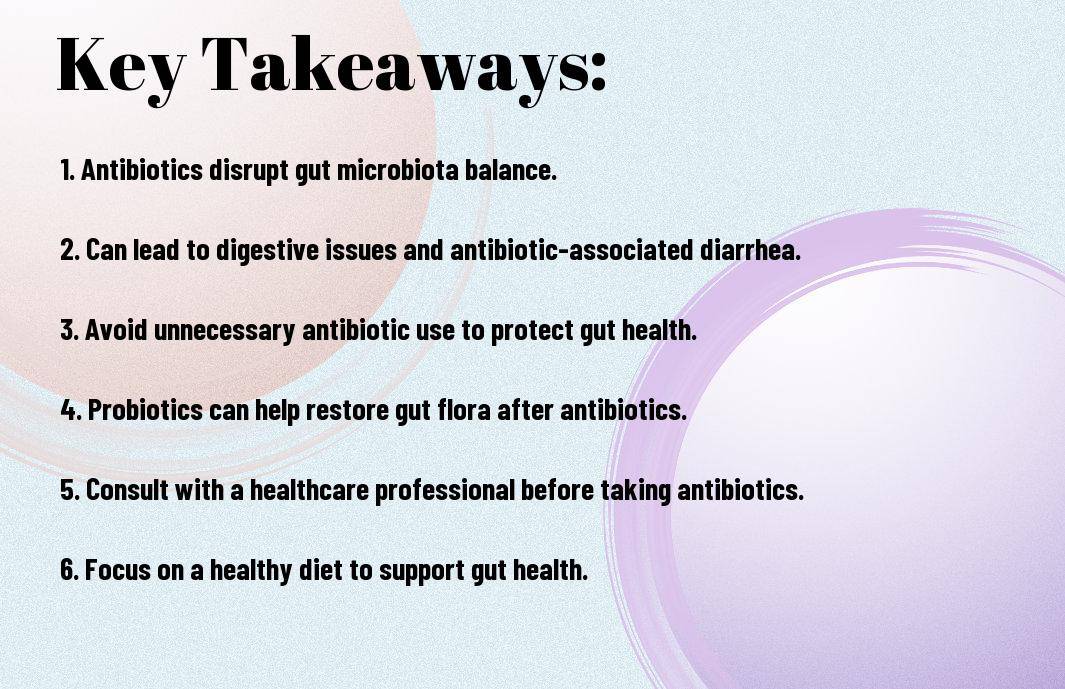
Before venturing into the impact of antibiotics on your gut, it’s crucial to understand the basics of the gut microbiome. If you’ve recently completed a round of antibiotics, you may be wondering how to restore your gut health. You can find helpful tips on this topic in my article ‘How to Restore Gut Health After Antibiotics‘.
With trillions of microorganisms like bacteria, fungi, viruses, and other microbes residing in your gut, the gut microbiome plays a crucial role in digestion, immune function, mental health, and more.
With a healthy balance of gut bacteria, your body can effectively digest food, absorb nutrients, and maintain a strong immune system. Imbalances in the gut microbiome can lead to digestive disorders, weakened immunity, and even mental health issues.
Plus, an imbalance in your gut microbiome can increase the risk of developing conditions such as obesity, heart disease, and inflammatory bowel disorders. It’s necessary to support a diverse and balanced gut microbiome through a healthy diet, probiotics, and lifestyle choices.
Antibiotics work by targeting specific components in bacteria, disrupting their growth and ability to reproduce. They can either kill the bacteria (bactericidal) or inhibit their growth (bacteriostatic).
Antibiotics come in various types, each targeting different bacterial functions. Some common types include penicillins, cephalosporins, and tetracyclines, each with their own spectrum of activity and potential side effects.
| Antibiotic Type | Effect |
| Penicillins | Treat gram-positive bacteria |
| Cephalosporins | Effective against a broader range of bacteria |
| Tetracyclines | Work against both gram-positive and gram-negative bacteria |
| Macrolides | Used for respiratory infections |
| Quinolones | Can treat urinary tract and gastrointestinal infections |
Recognizing the type of antibiotic prescribed and its potential effects is crucial in ensuring effective treatment.
Keep Impact of antibiotics on the human microbiome and …
Microbiome disruption occurs when antibiotics disturb the balance of good and harmful bacteria in your gut. This imbalance can lead to digestive issues, weakened immunity, and susceptibility to infections.
For a moment, think about the consequences of antibiotic resistance. The overuse of antibiotics can lead to the development of superbugs – bacteria resistant to multiple drugs. This poses a serious threat to public health as infections become harder to treat.
The link between antibiotics and digestive issues
Microbiome disruptions caused by antibiotics can manifest as digestive issues such as diarrhea, bloating, and abdominal pain. These symptoms can be distressing, affecting your daily life and overall well-being.
Antibiotics can alter the composition of your gut bacteria, leading to a cascade of digestive issues. They can reduce the population of beneficial bacteria, allowing harmful bacteria to proliferate and cause gastrointestinal disturbances. It’s crucial to take antibiotics as prescribed and consider probiotics to restore gut health.

On taking antibiotics, the delicate balance of bacteria living in your gut can be disrupted. This imbalance can lead to a decrease in beneficial bacteria, allowing harmful bacteria to thrive.
To be aware, the disruption caused by antibiotics can increase your susceptibility to infections. When the good bacteria are reduced, it not only affects your digestion but also leaves you more vulnerable to harmful pathogens.
ShortTerm, it’s important to monitor any signs of infection or illness, especially gastrointestinal symptoms, while taking antibiotics. If you notice any unusual changes, it’s crucial to consult your healthcare provider immediately.
populations, the immune system in your gut may also be weakened by antibiotic use, as the balance of bacteria plays a significant role in immune function. Plus, a compromised immune system can make it harder for your body to fight off infections and stay healthy.
Once again, antibiotics can cause permanent changes to your gut microbiome. This means that the balance of good and bad bacteria in your gut may be altered for the long term, affecting your overall health.
Risk of chronic diseases such as inflammatory bowel disease, diabetes, and even certain types of cancer may increase with the use of antibiotics. This is due to the disruption of the gut microbiome, which plays a crucial role in immune function and inflammation control.
Increased susceptibility to these chronic conditions can be a serious consequence of antibiotic use and should be considered when weighing the benefits of antibiotic treatment.
Changes in the gut microbiome caused by antibiotics can also play a role in obesity and metabolic disorders. Disruption of the balance of bacteria in the gut may lead to weight gain and difficulties in metabolizing food, contributing to these health issues.
Understanding the impact of antibiotics on your gut health can help you make informed decisions about antibiotic use and consider alternative options to protect your gut microbiome.
Your gut health is vital, especially after a round of antibiotics. One natural solution is to introduce probiotics and prebiotics into your daily routine. Probiotics are beneficial bacteria that can help restore the balance in your gut, while prebiotics act as food for these good bacteria, promoting their growth and activity.
Your body’s response to antibiotics can be challenging, but there is a solution. Making natural changes to your diet and lifestyle can support your gut health during and after antibiotic treatment. Including fiber-rich foods, staying hydrated, and reducing stress levels can aid in maintaining a healthy gut microbiome.
To combat infections without further disrupting your gut health, consider prebiotics as an alternative treatment option. Prebiotics are non-digestible fibers that help promote the growth of beneficial bacteria in the gut, aiding in the restoration of a healthy microbiome.
Ultimately, understanding how antibiotics affect your gut is crucial for maintaining the delicate balance of your microbiome. By being aware of the potential impact of antibiotics on your gut health, you can make informed decisions about your use of these medications and take steps to support your gut flora through probiotics, prebiotics, and a healthy diet.
A: Antibiotics are medications used to treat bacterial infections by either killing bacteria or preventing their growth.
A: Antibiotics can disrupt the natural balance of good and bad bacteria in the gut, leading to digestive issues and potential long-term effects on gut health.
A: Common side effects of antibiotics on the gut include diarrhea, bloating, gas, and stomach cramps.
A: Yes, prolonged or frequent use of antibiotics can alter the diversity and composition of the gut microbiome, which may have long-lasting effects on overall health.
A: To protect your gut health while taking antibiotics, you can take probiotics, eat a healthy and diverse diet rich in fiber, stay hydrated, and avoid unnecessary antibiotic use.
A: Yes, consuming fermented foods like yogurt, kefir, and kimchi, as well as taking prebiotic supplements, can help restore healthy gut bacteria after a course of antibiotics.
A: You should consult a healthcare provider if you experience severe or prolonged gut issues while taking antibiotics, or if you have concerns about the impact of antibiotics on your gut health.